


On this page 6 sections
Your guide
What you'll learn
Do you experience tired, heavy legs at the end of the day? Have you experienced surgery or trauma and have swelling that won’t go away ever since that time period? Do you experience swelling that can’t otherwise be explained? If the answer is yes to any of these questions, you may have a condition called lymphedema. In this article, we will define what lymphedema is, lymphedema exercises and treatment, and available resources to learn more about this condition.
What Is Lymphedema?

Lymphedema is defined as a mechanical breakdown or disruption to the lymphatic system and/or lymph nodes that cause swelling in one or more parts of the body (1). People living with lymphedema experience swelling and discomfort in their arms, legs, chest or abdomen, and face or neck. Common signs and symptoms of lymphedema include:
- Feelings of ‘fullness’ or ‘heaviness’ in one or more body areas
- Skin tightness
- Less flexibility in the joints
- Feelings of clothing being tighter in one arm or leg
- Your jewelry or shoes fitting tighter than usual
- Obvious swelling in a limb
Our lymphatic system serves as the ‘waste filtration’ mechanism of the body and plays a large role in our immune function. This system is essential in keeping us healthy and illness-free. Damage to this system can happen in a variety of ways - trauma and accidents, infections, cancers, surgery, and in rare cases, it can be a hereditary condition. There are two types of lymphedema:
- Primary lymphedema: Also called hereditary lymphedema; swelling can manifest either at birth (Milroy’s disease) or later on in life.
- Secondary lymphedema: The most common type of lymphedema; most often happens from cancer or surgery.
Need Help Combating Your Pain And Swelling After An Ankle Sprain?

Ankle sprains are one of the most common soft tissue injuries individuals sustain. In fact, did you know up to almost 3/4th of the population will sustain an ankle sprain at some point during their lifetime? If you have recently had an ankle sprain or are continuing to have limitations from the lingering effects of one, this program has the solutions for you! Click HERE to learn more and get started today.
Treatment Options
No matter what type of lymphedema you experience, there are a variety of treatments available that can assist you in optimizing how to live well with lymphedema. The gold standard treatment for lymphedema is Complete Decongestive Therapy, also known as CDT. This type of therapy is meant to ‘decongest’, or remove swelling from the affected limb, and is most often provided by a Certified Lymphedema Therapist (CLT). The treatment you will receive may include (2, 3):
- Manual Lymphatic Drainage - A specialized, light touch ‘massage’ that is meant to move fluid away from a swollen limb.
- Compression Bandaging - Bandages that are applied to the limb that help keep fluid from collecting
- Skin and Nail Care - It is common to experience skin dryness and broken, soft nails with lymphedema. Treatment is aimed at keeping these areas as healthy as possible to improve healing.
- Compression Garments - An essential part of treatment where you would be specially fit for stockings or sleeves for the affected area. This ensures long term maintenance and control of the swelling
- Decongestive Exercise - There are many types of physical activity and exercises that you can do to help improve circulation as well as help move fluid out of the affected limb. These can include walking programs, swimming, biking, light resistive exercises, yoga, range of motion exercises, or deep breathing.
Below, we will provide a couple of examples of decongestive exercises that are excellent for living well with lymphedema:
Exercise 01 of 05
Exercise demonstration
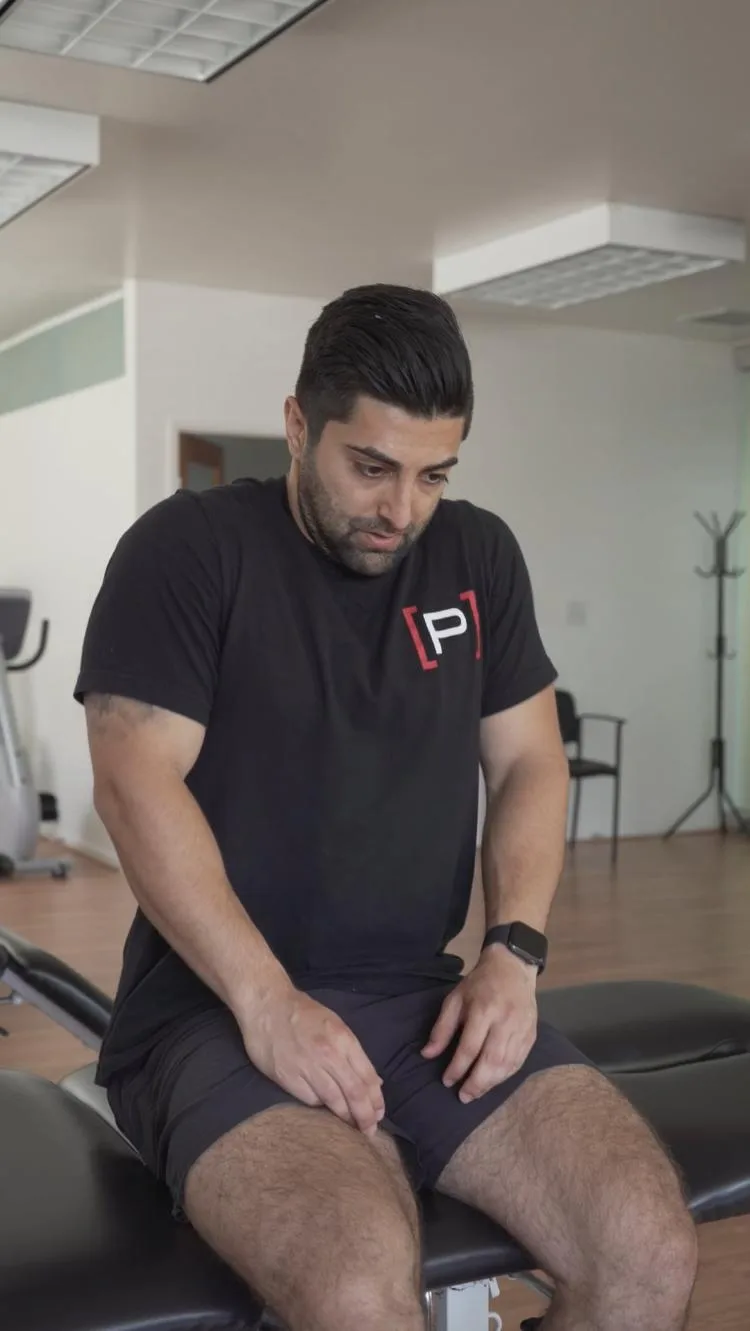
Shoulder Roll
View exercise instructions
- HOW: Begin in a seated position with your hands by your side. While maintaining arm position, slowly make big backward followed by forward circles with your shoulders and shoulder blades.
- FEEL: This should feel like a nice shoulder and shoulder blade movement. Think about making smooth, big circles in both directions. You should feel your shoulder blade muscles controlling the movement.
- COMPENSATION: Keep the rest of your body including your head and neck still as you perform this exercise.
Exercise 02 of 05
Exercise demonstration
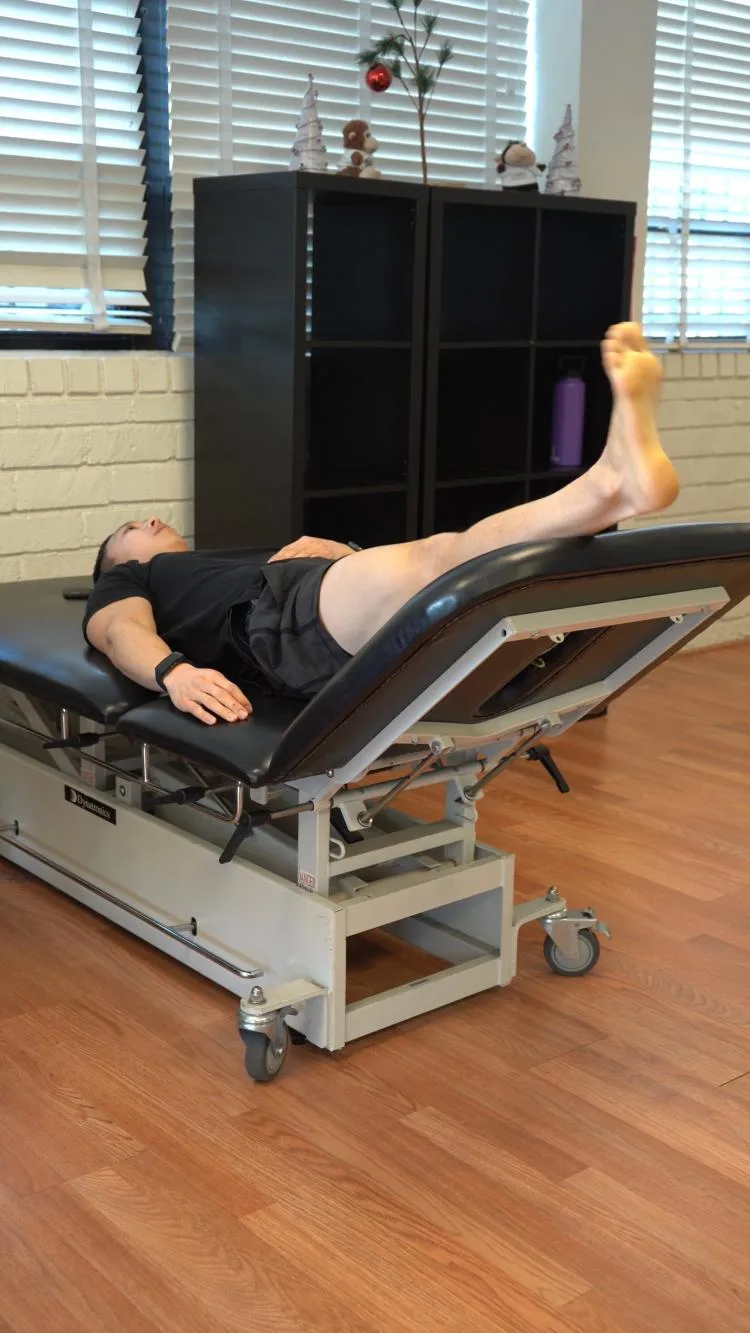
Ankle Pump - Elevated
View exercise instructions
- HOW: Get set up laying flat on your back with your legs elevated above heart level. To begin the exercise, move your ankle forward and backward in a pumping motion. The goal is to get comfortable with this forward and backward ankle range of motion.
- FEEL: You should feel all different parts of your ankle stretching and activating.
- COMPENSATION: Move just from the ankle, not the toes.
Sample Ankle Sprain Rehab Program Exercise Video
Getting the legs elevated above the heart and getting the muscle pump action going with ankle pumps is an excellent way to improve foot/ankle swelling and live well with lymphedema!
How To Rehab A Lateral Ankle Sprain
Exercise 03 of 05
Exercise demonstration
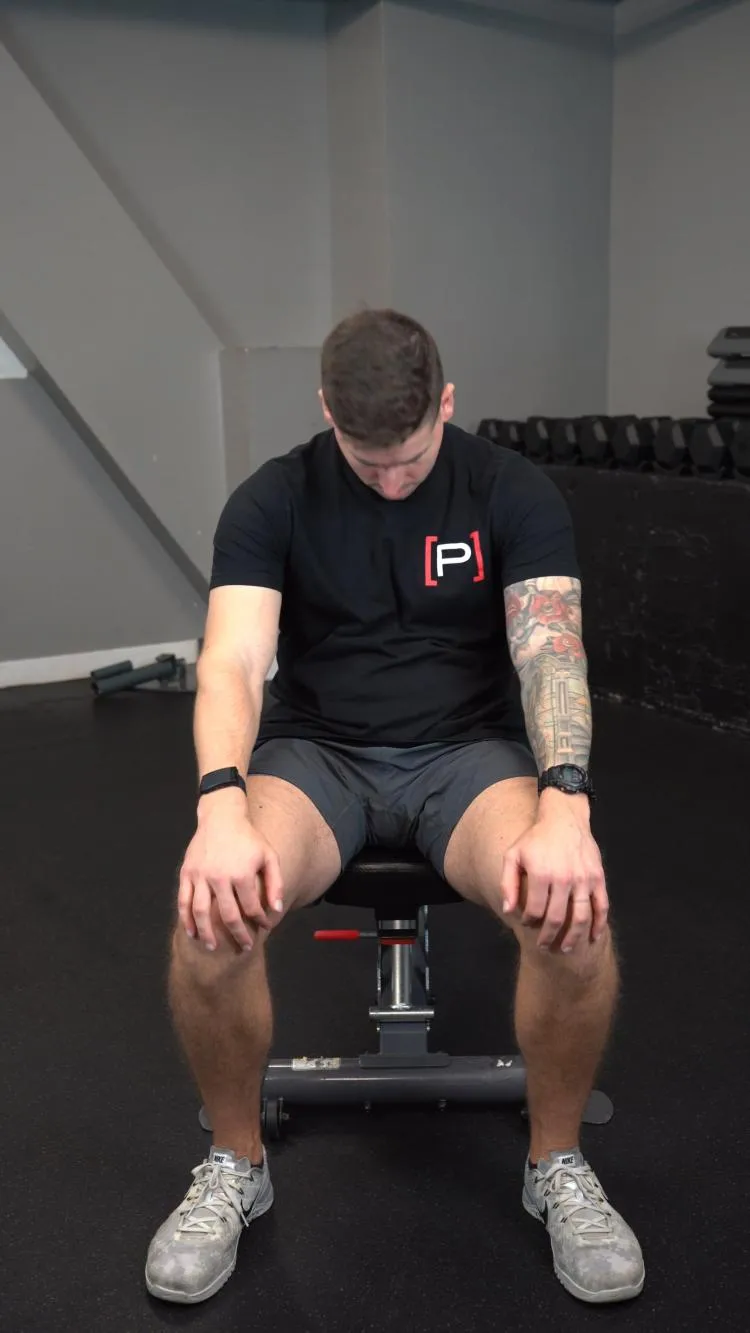
Seated Cat Cow
View exercise instructions
- HOW: Get set up seated upright with your hands supported on your thighs. Begin the exercise by rounding your upper body and head/neck forward, letting your spine bend forward as your hands slide down your thighs. Reverse the motion to sit upright nice and tall and let your back/spine arch and extend. Repeat
- FEEL: This should feel like a global stretch to your upper/lower and mid back depending how far you move. As you round, you should feel a stretch in your back, as you arch and squeeze your shoulder blades back, you may feel a stretch in your chest and shoulders. This should feel like a gentle motion that you're in control of.
- COMPENSATION: Limit movement to your upper body, keep your lower body still.
You may be surprised, but getting our trunk and spine moving can help with lymphedema anywhere in our body! This paired with diaphragmatic breathing (which we cover below) are two great exercises to begin with!
Exercise 04 of 05
Exercise demonstration
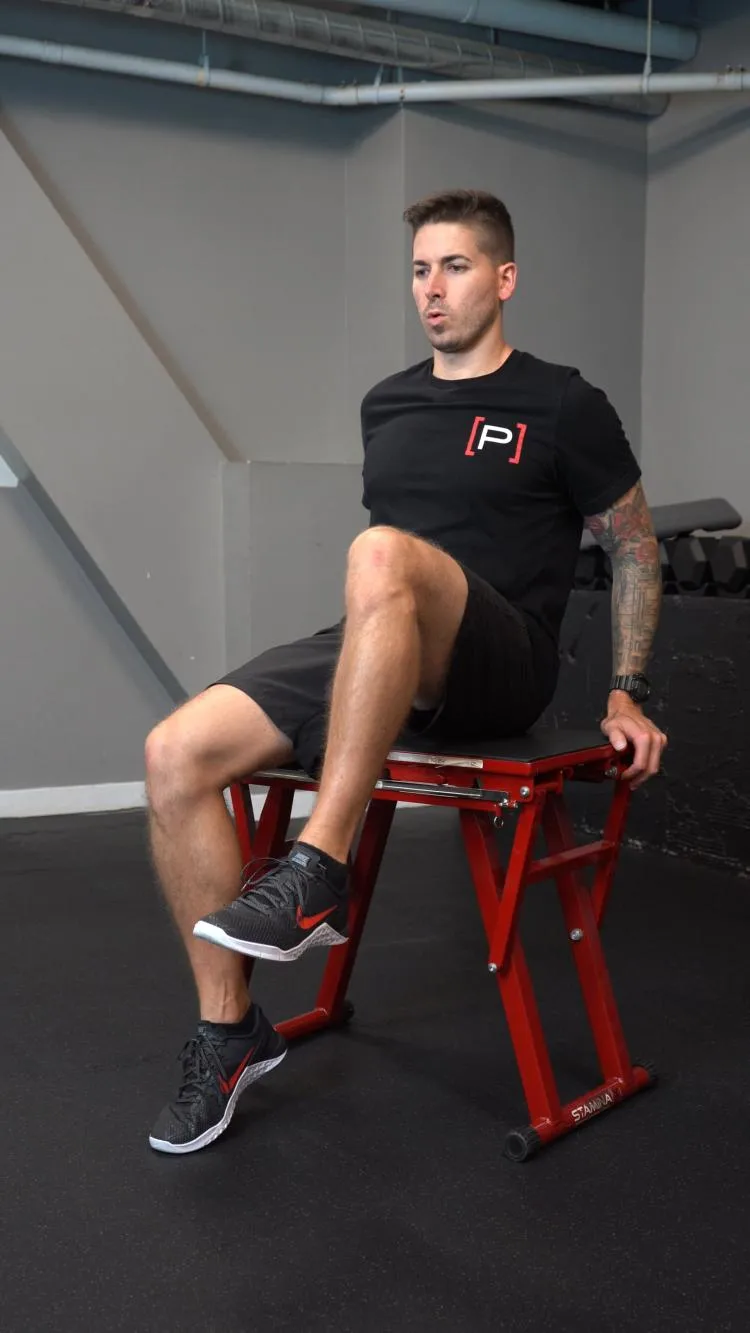
Seated March
View exercise instructions
- HOW: Get set-up seated with your feet supported on the ground. While keeping your trunk upright and tall and low back relatively neutral, lift one knee up towards the ceiling while keeping your knee bent. Hold for a moment, then lower down and perform on the other side. Repeat, 1 rep counts as 1 knee lift on each side.
- FEEL: You should feel the muscles in front of your hip working to lift your leg up into the air.
- COMPENSATION: Do not excessively move the rest of your body or lean back to try and lift your leg up. Try to keep your back flat when you lift your leg up
You want to start proximally before distally! Getting the hips moving is just as important as getting distal segments moving to help with lymphedema. Typically you go proximal --> distal --> proximal in terms of exercise order, so don't be afraid to do these twice!
Exercise 05 of 05
Exercise demonstration
Diaphragmatic Breathing
View exercise instructions
Available Resources For Lymphedema Treatment
Learning how to live well with lymphedema can be emotionally difficult. It is normal to struggle with feelings of isolation and/or embarrassment, as well as fear of being out in public. You are not alone! There are many resources to educate yourself about how to live well with lymphedema as well as find a support system of other individuals who are also living with this condition. Here are a few resources to explore:
- Lymphatic Education and Research Network (LE&RN): Information for those seeking treatment options. Provides a wide variety of videos, links, and downloadable information. Learn more HERE
- Lymph Notes: Online resource for those who are living with or at risk for developing lymphedema. There is also information for friends, family, and caregivers for these individuals. Learn more HERE
- Lymphedema Blog: A ‘one-stop-shop’ resource for all things lymphedema, by Joachim Zuther, a pioneer in the field of lymphedema. Learn more HERE
- Lymphedema Network: How to find a great therapist (CLT) in your area! Learn more HERE
Considerations For General Lymphatic Health
There are a number of ways you can support your lymphatic system and keep it healthy on a day-to-day basis, to prevent conditions such as lymphedema and generalized illness from occurring (3)
- EXERCISE! Exercise is a powerful weapon in the fight against chronic disease. Before starting a new exercise program, you should ALWAYS get clearance from your doctor. Start slowly, and gradually increase your exercise over time for the best results.
For a great starting resource, check out our blog on bodyweight chair exercises that you can do right from home!
READ: 10 KILLER BODYWEIGHT CHAIR EXERCISES
- HYDRATION: Drinking plenty of water (usually about 8 glasses a day for most individuals) helps to support our lymphatic system by hydrating our skin and tissues, as well as flushing away any harmful bacteria or toxins in our body.
- SLEEP: Sleep is restorative! Most adults require 7-8 hours of sleep a night for general health.
We have dedicated a Prehab Guys Audio Experience podcast episode to the topic of sleep where online sleep coach Nick Lambe discusses common sleep issues and how to implement techniques to improve overall sleep and restoration.
LISTEN: THE IMPORTANCE OF SLEEP

- NUTRITION: Eating a well-balanced, nutritious diet can help support many functions of health. Specifically for lymphatic health, avoiding high salt foods can help prevent swelling in the skin.
- PERFORM MANUAL LYMPH DRAINAGE: Manual lymph drainage is easy to perform on yourself and can help ‘decongest’ any areas that may be experiencing swelling or are at risk for swelling. Check out this video series from Klose Training that provides instructions for performing self-MLD.
- AVOIDING RISK FOR INFECTION: Lower your risk for infection by performing regular hand-washing, wearing gloves while gardening or doing housework, avoiding sunburns by using sunblock or SPF, using skin cream to avoid dry, chapped skin, and protecting yourself from insect bites.
Closing Thoughts
It is completely possible to live a full, healthy, happy life, even with lymphedema. It is important to get the support and treatment you need and be educated on how to live well with lymphedema. Recognizing signs and symptoms EARLY, and talking to your doctor about your condition will ultimately lead to the best outcomes when it comes to managing this condition. Do not be afraid to speak out if you see something happening in your body that doesn’t feel or look normal. There are many certified therapists that can help get you on track with the proper treatment of your lymphedema. Live well and be healthy!
Take Control of Your Ankle Sprains
The ultimate program that will teach you not only how to rehab your own ankle sprain, but also prevent it from happening in the future!
RESOURCES
- (2009), Lymphedema. CA: A Cancer Journal for Clinicians, 59: 25-26. doi:10.3322/caac.20007 https://lymphnet.org/position-papers
- Grada AA, Phillips TJ. Lymphedema: Diagnostic workup and management. J Am Acad Dermatol. 2017;77(6):995‐1006. doi:10.1016/j.jaad.2017.03.021
- Zuther, Joachim E. Lymphedema Management: the comprehensive guide for practitioners. 3rd edition. 2013.
About The Author
Taryn Beaumont PT, DPT, CLT, CF-L1, CNC
Prehab Writer & Content Creator
 Taryn was born and raised in Maine and still resides there with her boyfriend and son. Taryn received her doctorate in Physical Therapy from Husson University in 2010, and also carries a Bachelors in Kinesiology and Human Movement Science. She is a Certified Lymphedema Therapist, a Certified Crossfit Level 1 Trainer, and a Certified Nutrition Coach. Taryn has extensive experience in many different realms of PT, from the young athlete to the geriatric patient. She has special interests in oncology care, dry needling, and Crossfit training. In her free time, Taryn enjoys working out, education, writing, and reading, and is very excited to be a part of The Prehab team to educate others on the importance of health and wellness.