


On this page 7 sections
Your guide
What you'll learn
The statistics we often hear about anterior cruciate ligament (ACL) re-injury rates are pretty scary. While the statistics vary: anywhere from 30-50% of patients who go through ACL reconstruction will suffer a second injury to their ACL or meniscus within 5 years. This makes both prevention of initial ACL injuries as well as prevention of secondary injuries extremely important. This article will take a look at what you can do for ACL injury prevention!
What Are ACL Injury Prevention Programs?
ACL injury prevention programs are exercise programs designed to prevent both primary (first time) ACL injuries as well as secondary injuries after an ACL reconstruction surgery. Because of the prevalence of ACL injuries today, particularly in females, there are a number of exercise-based prevention programs. These include ACL injury prevention programs as well as general knee injury prevention programs for specific populations, such as the FIFA 11 program which reduced knee injury rates in soccer players by 30%! The American Academy of Sports Physical Therapy and the Academy of Orthopedic Physical Therapy took the time to collect all programs available and synthesize the key components for an exercise program to prevent both knee and ACL injuries.
Are You Looking For An ACL Injury Prevention Program?

Do you want a program that can show you how to put you in the best position to prevent ACL injury? This is the program for you. This is a Doctor of Physical Therapy designed program, that will take you step-by-step through progressive phases of exercises, packed with education and resources specifically for you. Click HERE to decrease your ACL injury risk today.
What are the Keys to preventing an ACL injury?
The ACL injury prevention programs that have the most success include some key components. Firstly, the most effective programs were performed at least twice/week for periods > 20 minutes at a time. Additionally, all successful programs focused on strength training. Strength of the lower extremity, especially the quadriceps, has been shown decrease ACL injury risk substantially. In fact, after ACL surgery, every 1% increase in quadriceps strength led to a 3% reduction in re-injury rate.
Exercise 01 of 04
Exercise demonstration
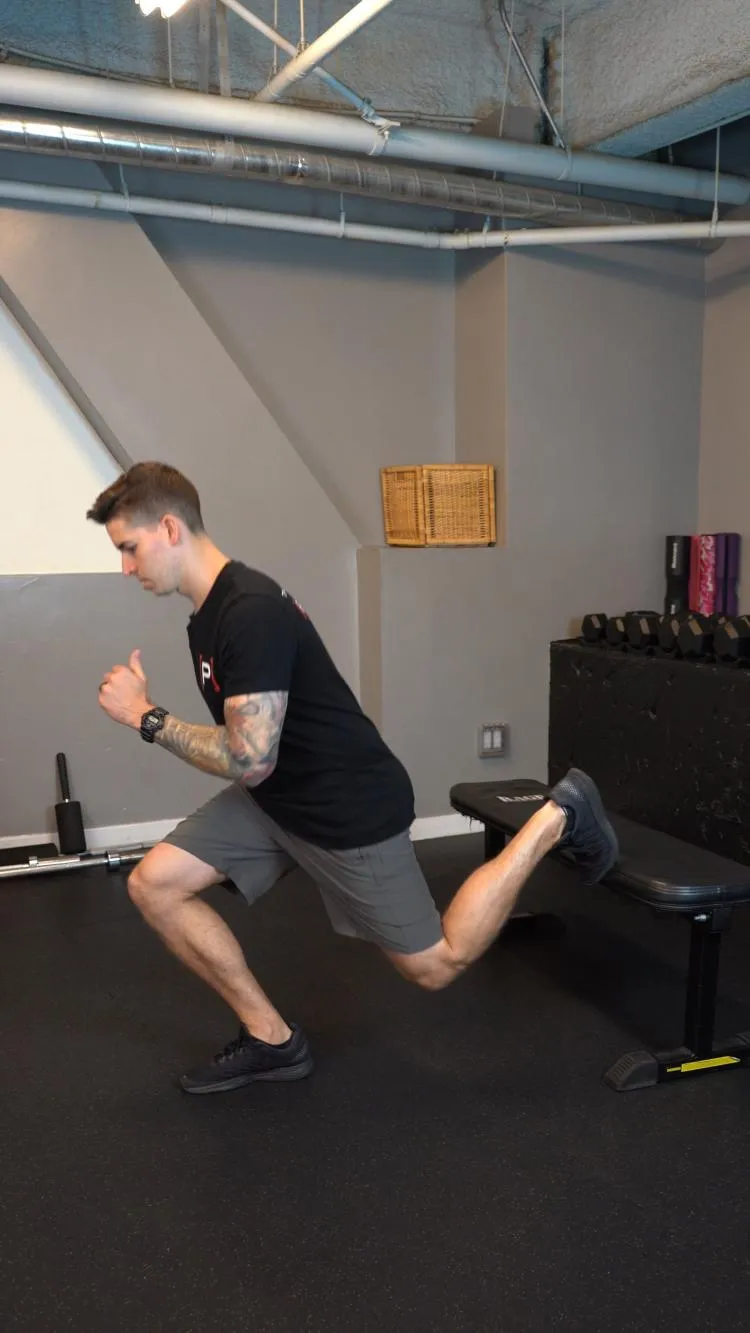
Bulgarian Split Squat
View exercise instructions
- HOW: Get set-up in a tall split squat position with one foot back and up/supported on a bench or elevated surface. Perform a split squat by letting your hip and knee bend to lower yourself down towards the ground and repeat. Try to maintain at least 80-90% of your body weight on the front leg.
- FEEL: You will feel the leg that is in front doing most of the work, with your thigh and butt muscles working.
- COMPENSATION: Do not lean side-to-side or lean back, keep your weight mostly on your front foot. Perform the split squat with good form by not letting your knee collapse in or bow out, do not let your pelvis drop.
/630cf65f02
Sample ACL Injury Prevention Program Exercise
The Bulgarian Split Squat is a great way to target not only the quadriceps but the glutes and the rest of the lower quarter as well! Looking for some strategies to help you master this movement. Lucky you, we have a whole article on the Bulgarian split squat you can read HERE!
A Better Way to Test Muscle Strength - The Tindeq Test
The Importance of Plyometric Exercises
Another crucial component is the inclusion of plyometric or jumping exercises. These exercises should be performed with a focus on landing mechanics and the inclusion of intermittent feedback on these landing mechanics.
Exercise 02 of 04
Exercise demonstration
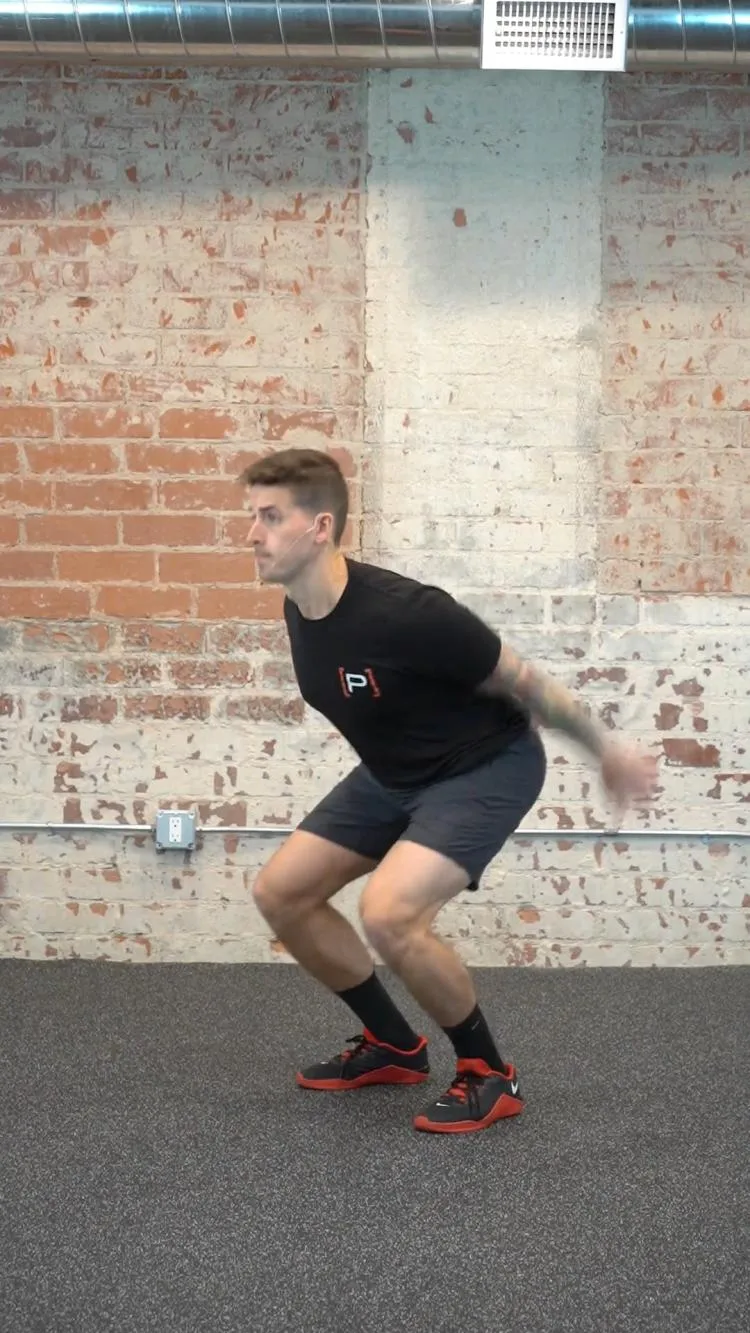
Tuck Jump
View exercise instructions
- HOW: Begin in a standing position. Lower your body down by bending your knees and hinging forward at the hips. Then, extend your arms overhead while you push into the ground, jumping up bringing both knees up as high as you can towards your chest. Take a break after you land and repeat for as many reps as prescribed.
- FEEL: You should feel your hip and thigh muscles working the most.
- COMPENSATION: Lift your knees up high as you jump, don’t just jump without bringing them up as high as you can.
/20adbe0d60
Exercise 03 of 04
Exercise demonstration
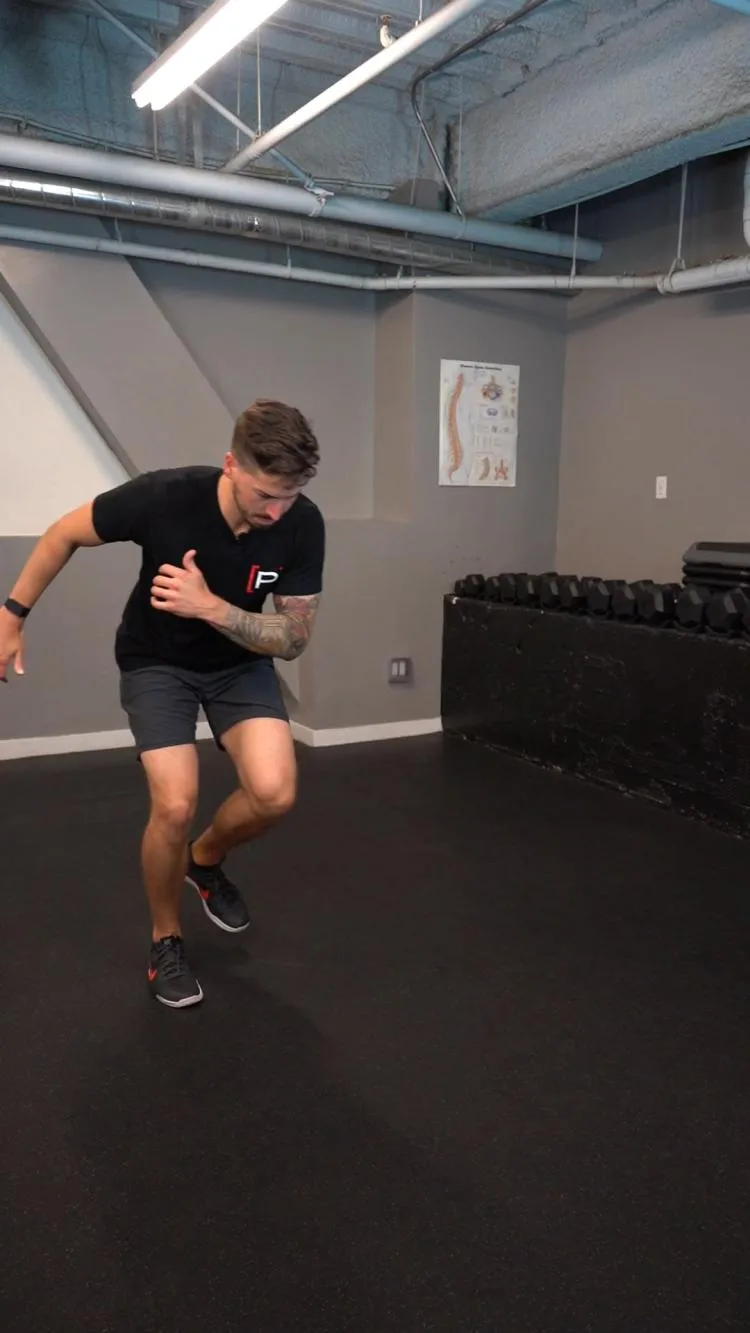
Lateral Bound
View exercise instructions
- HOW: Shift your weight to one leg with your knee slightly bent and the other leg off of the ground. Slightly bend down and push into the ground, jump to the side landing on the opposite leg. Get your balance, pause, and jump back to the other leg going back into the starting position.
- FEEL: You will feel all the muscles in your legs working.
- COMPENSATION: Landing Position. Make sure your knees are aligned over your toes. They should not dive inwards on the landing. Your goal is to absorb as much of the landing forces as you can and land softly. That means that you want your hips and knees to bend as much as they need to, to absorb the force. If you do not let them bend much, you will land "stiff" and hard. Let your hips go back and while keeping your chest up to help absorb the forces. Your toes should touch the ground first when you land and quickly your heels will follow. You should land in a "ready position" like you would if you were playing sports, with your weight ever so slightly forward on the balls of your feet. You should not fall forward or backwards after landing.
- For a detailed video on landing mechanics on one leg, click here: https://www.youtube.com/watch?v=6RCOGM5tZRM
The lateral bound is a great way to train jumping and plyometric movement in a side-to-side (frontal plane) direction. We are meant to move in all 3 planes of movement, especially with sports and other daily activities!
Deceleration Control Exercises
Programs that successfully reduced ACL injuries also included proximal control exercises such as those focusing on core and trunk strength. Stability of the core and trunk help athletes during change of direction and deceleration activities where the ACL is at the highest risk of tearing.
Exercise 04 of 04
Exercise demonstration
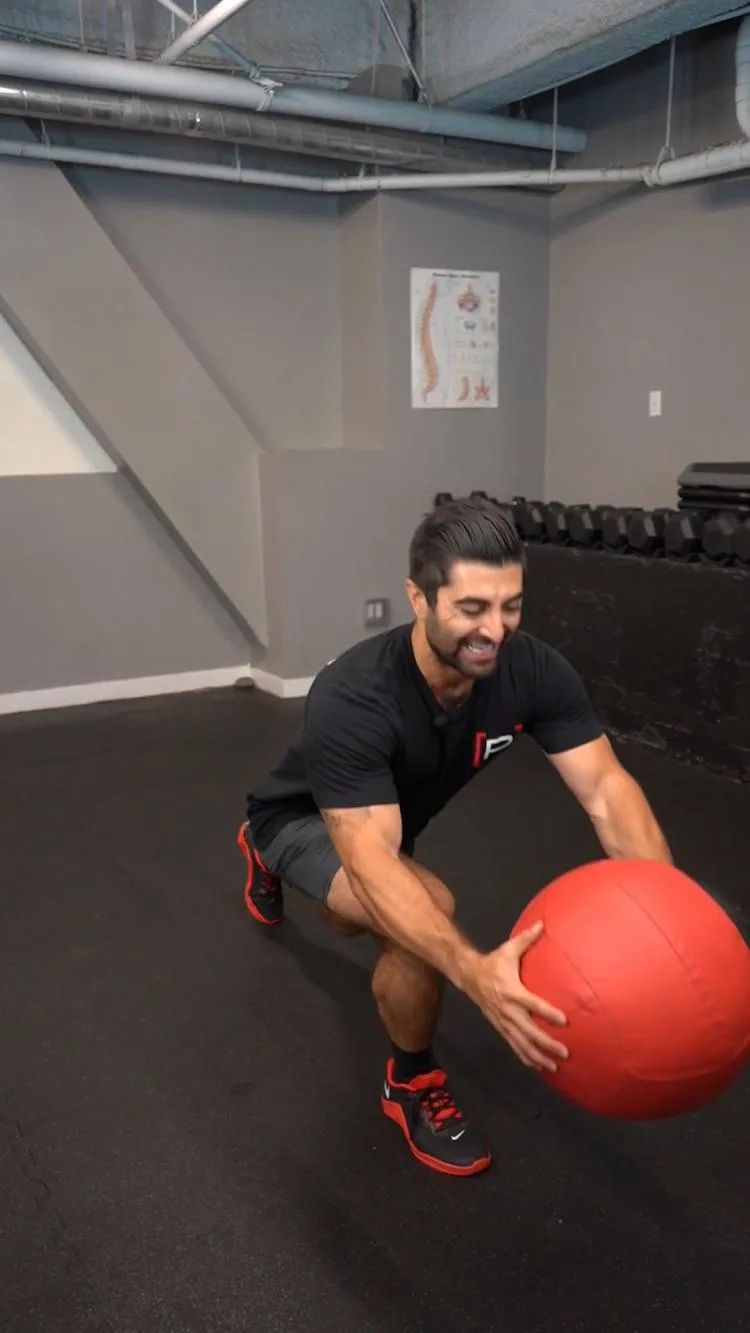
Anterior Lunge Deceleration - Medball
View exercise instructions
- HOW: Begin by standing holding onto a medball. Step forward with one leg landing quickly as you push the medball straight out from your chest. After the ball is pressed, push back into the starting position with the leg that lunged forward.
- FEEL: You should feel your leg muscles working.
- COMPENSATION: Keep the medball straight out in front of you.
Will improving balance decrease my risk of injury?
Interestingly, programs focused primarily on balance exercises were not successful at reducing knee and ACL injuries. While this does not mean that balance exercises have no value, we know that they should not be the focus of an ACL injury prevention program. Incorporating balance may be appropriate after the requirements for strength, plyometric, and proximal control exercises have been met. If you are looking for some different balance exercises, read this article.
Closing Thoughts:
ACL injury prevention programs work when they include some key components. These include:
- Strength Training
- Jump-landing Mechanics training
- Core and Trunk Strengthening exercises.
When performed at least twice a week for > 20 minutes consistently, programs that include these components have been shown to:
- Reduce the risk of ACL injury in athletes by 43%
- Reduce the risk of non-contact ACL injury by 73% (https://bjsm.bmj.com/content/46/14/979.long)
Take Ownership of Your Knee Health
Knee discomfort is one of the reasons why people end up sitting out but that's about to change through the tag team champs of the world: education and movement. The knee must be strong enough to create its own muscular forces and be the traffic director for force passing through. Therefore, to have a successful outcome your program must include not just the knee but the core, hip, and ankle. Teamwork makes the dream work, ready to be part of the team?
References
- Paterno MV, Rauh MJ, Schmitt LC, Ford KR, Hewett TE. Incidence of Second ACL Injuries 2 Years After Primary ACL Reconstruction and Return to Sport. Am J Sports Med. 2014;42(7):1567-1573. doi:10.1177/0363546514530088
- Øiestad BE, Engebretsen L, Storheim K, Risberg MA. Winner of the 2008 Systematic Review Competition: Knee Osteoarthritis after Anterior Cruciate Ligament Injury. The American Journal of Sports Medicine. 2009;37(7):1434-1443. doi:10.1177/0363546509338827
- Sadigursky, D., Braid, J.A., De Lira, D.N.L. et al.The FIFA 11+ injury prevention program for soccer players: a systematic review. BMC Sports Sci Med Rehabil9, 18 (2017). https://doi.org/10.1186/s13102-017-0083-z
- Arundale AJH, Bizzini M, Giordano A, et al. Exercise-Based Knee and Anterior Cruciate Ligament Injury Prevention. J Orthop Sports Phys Ther. 2018;48(9):A1-A42. doi:10.2519/jospt.2018.0303
- Grindem H, Snyder-Mackler L, Moksnes H, et alSimple decision rules can reduce reinjury risk by 84% after ACL reconstruction: the Delaware-Oslo ACL cohort studyBritish Journal of Sports Medicine 2016;50:804-808.
- Sugimoto D, Myer GD, McKeon JM, et alEvaluation of the effectiveness of neuromuscular training to reduce anterior cruciate ligament injury in female athletes: a critical review of relative risk reduction and numbers-needed-to-treat analysesBritish Journal of Sports Medicine 2012;46:979-988.
About The Author
Tommy Mandala, PT, DPT, OCS, SCS, CSCS
Prehab Writer & Content Creator

Tommy Mandala is a Doctor of Physical Therapy, Board Certified Clinical Specialist in Sports & Orthopedics, and Certified Strength and Conditioning Specialist in New York City. He is the founder of ALL IN ACL, a digital coaching platform dedicated exclusively to helping ACLers return to the life they had before their injury with full confidence in their knee. Prior to that, he worked in the sports clinic at Hospital for Special Surgery, the #1 Orthopedic Hospital in the country. While there, he had the opportunity to hone his skills as an ACL specialist working closely with world renowned surgeons and evaluating patients from all over the world. He completed his sports residency training at the University of Delaware where he had opportunities to work with many of their Division I sports teams as well as the Philadelphia 76’ers NBA G-league affiliate, the Delaware Blue Coats. He also trained at Champion Sports Medicine in Birmingham, Alabama where he had the opportunity to learn from researchers in the American Sports Medicine Institute. Currently, Tommy works exclusively with ACLers through his digital coaching model. While many of these clients are athletes, Tommy works with ACLers of all different abilities helping them to build the strength they need to overcome this unique injury. One of his favorite aspects of his job is taking active clients who have never been a “gym person” before and showing them the amazing things that happen when they learn to strength train.